
Menu
Your accountant still hasn’t finalised last year’s returns, the bank wants three years of financials, and a supplier needs paying this week. A low doc business loan funds your business on your bank statements and BAS activity, not a paperwork marathon.
A low doc, or low documentation, business loan lets a business borrow without the full financial paperwork a traditional bank application demands. Instead of years of tax returns and audited statements, lenders assess your recent bank statements, BAS lodgements, or an accountant’s declaration to gauge how the business trades.
This suits owners whose figures are sound but not yet formalised, such as the self employed, newer businesses, or operators whose returns are still with the accountant. The trade off is that lenders price the reduced verification into the rate, so low doc finance usually costs a little more than a fully documented loan.
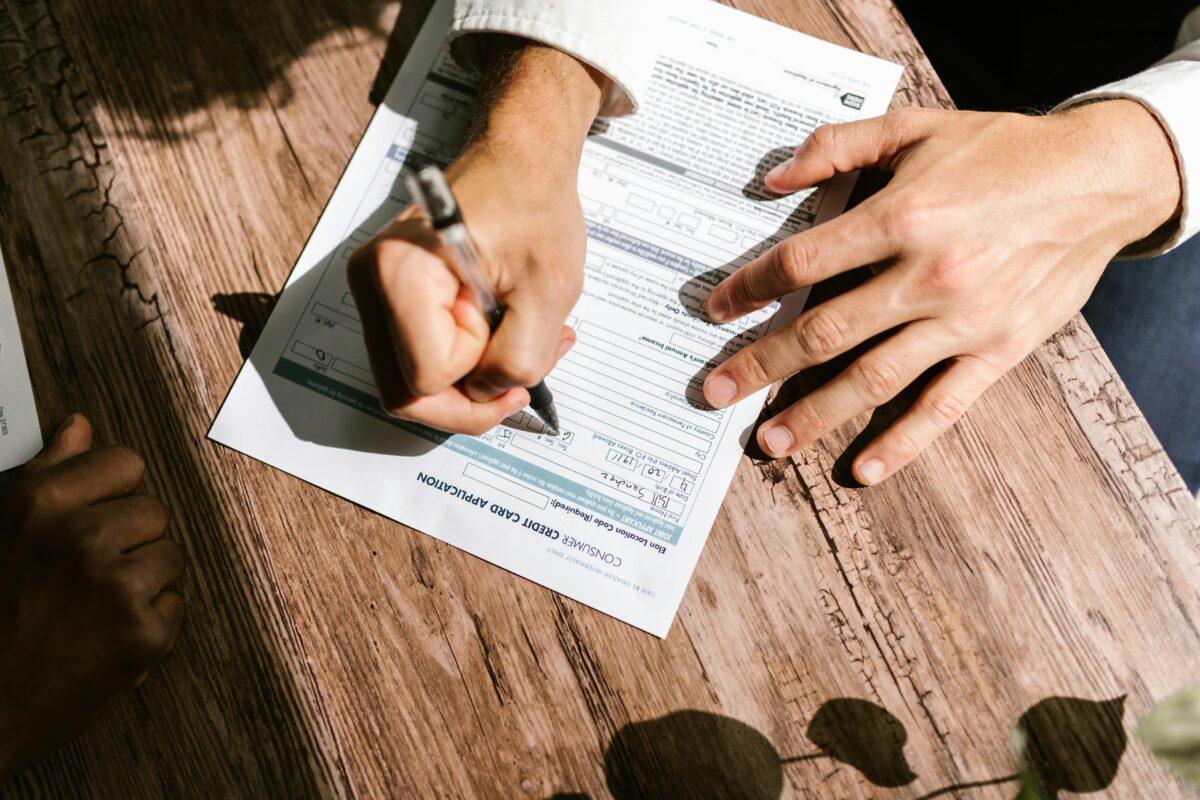

If it keeps the business trading or growing, a low doc facility can usually fund it:
The three sit on a spectrum of how much you need to prove and what it costs.
A full doc loan asks for complete financials, tax returns, and statements, and rewards that effort with the sharpest rates. A low doc loan relies on lighter evidence such as bank statements, BAS, or an accountant’s letter, trading a small rate premium for speed and simplicity. A no doc loan verifies the least of all, often on bank statements alone, and carries the highest pricing to match the added risk.
The right choice depends on what paperwork you can realistically produce, how quickly you need funds, and how much rate you are willing to trade for convenience. We will map your situation to the lenders that suit it.



You will generally need an active ABN, and for many lenders GST registration and a few months of trading. Beyond that, lenders weigh your revenue, bank conduct, credit profile, and any security on offer. Full financials are not required, but you will need to show the business generates enough consistent income to service the repayments. Newer businesses, the self employed, and applicants with past credit issues are not automatically excluded. Specialist low doc lenders exist for exactly these cases, though the rate will reflect the lighter verification.
Tell us what you need and how your business trades, and we will come back with lenders, indicative rates, and a clear view of the trade offs. Free, no obligation, and no mark against your credit file.
Owners weighing up low doc finance tend to ask the same questions first. These are the ones that come up most.
A low doc business loan is finance approved without the full financial documentation a bank normally requires. Rather than years of tax returns and audited accounts, the lender assesses lighter evidence such as recent business bank statements, BAS lodgements, or a declaration from your accountant. This lets businesses with sound but undocumented income access funds quickly. Because the lender verifies less, the interest rate is usually a little higher than a full doc loan, reflecting the reduced paperwork and added risk.
Most lenders want an active ABN, often GST registration, and a few months of trading history. Beyond that they look at your revenue, how your bank account is run, your credit profile, and any security you can offer. You do not need full financials, but the business must show enough steady income to cover repayments. Sole traders, newer businesses, and applicants with prior credit issues can still qualify, usually through specialist low doc lenders on our panel.
Requirements vary by lender, but a low doc application usually rests on a few core items rather than a full financial pack. Common examples include your ABN and identification, three to six months of business bank statements, recent BAS lodgements, and sometimes a short declaration from your accountant confirming the business can service the loan. Applicants offering property or an asset as security often face even lighter requirements. We confirm exactly what each lender needs before submitting, so nothing stalls.
Borrowing capacity depends on your turnover, the lender, and whether the loan is secured. Unsecured low doc facilities commonly range from a few thousand dollars up to several hundred thousand, while loans backed by property or another asset can extend well beyond that. Lenders size the facility to what your revenue can comfortably service rather than a fixed cap. As a guide, many lend in proportion to your monthly turnover, and we will match you to the lender offering the most suitable limit.
Generally yes. Because the lender verifies less of your financial position, it prices that reduced certainty into the rate, so low doc loans usually sit above comparable full doc finance. The gap varies with your revenue, credit profile, and whether you offer security, and it is often smaller than owners expect. Providing property or an asset, or supplying slightly more documentation, can bring the rate down. We compare the panel to find the sharpest price your circumstances support.
Speed is one of the main reasons owners choose low doc finance. Because the file is lighter, straightforward applications with clean bank statements are often assessed on the same day, with funds released within one to two business days of signing. More complex cases, larger amounts, or secured loans that need a valuation can take longer. Having your bank statements and BAS ready when you apply is the single biggest thing that keeps the process moving.
Often, yes. Low doc lenders focus heavily on how the business trades now, so a past default or a lower credit score does not automatically rule you out. What matters most is consistent revenue through your bank account and the ability to service the repayments. Offering security can also strengthen a weaker credit position. Pricing will reflect the added risk, but for many owners the priority is access to funds, and specialist lenders on our panel work with impaired credit regularly.
It depends on the lender and the amount. Smaller low doc facilities are frequently unsecured, relying on your trading performance and usually a personal guarantee from the business owner. Larger amounts, or a sharper rate, often call for security such as residential or commercial property, or a business asset. A personal guarantee is standard across most business lending, secured or not. We will explain what each option involves so you can weigh a lower rate against putting up security.
Requesting an indicative quote through Thor Finance does not affect your credit score. We review your position and match you with suitable lenders before any formal application is lodged, so you can compare options without leaving a footprint. A credit enquiry is only recorded once you instruct us to proceed with a specific lender. That means you can explore what a low doc loan would cost and how much you could borrow before committing to anything.
Yes, though the options narrow the newer you are. Some lenders will consider a business trading for as little as three to six months, provided the bank statements show consistent income coming in. Full financials are rarely available at that stage, which is precisely where low doc finance helps. Offering security or a personal guarantee strengthens a new business application. We know which lenders on our panel are comfortable with limited trading history and will point you to them.
Thor Finance ABN 31 629 922 589 is an Authorised Credit Representative #557246 of AFAS Group Pty Ltd, Australian Credit Licence #414426. Information on this page is general in nature and does not take into account your objectives, financial situation, or needs. Consider seeking advice from your accountant or a qualified adviser before entering into any credit contract. Approval, rates, and terms are subject to lender assessment.

Email us to let us know how we can help you with your business’ Loan requirements.
Thor Finance
ABN 31 629 922 589
Contact us to see how we can help you with your finance requirements
Thor Finance ABN 31 629 922 589 is an Authorised Credit Representative
#557246 of AFAS Group PTY LTD, Australian Credit Licence #414426.